


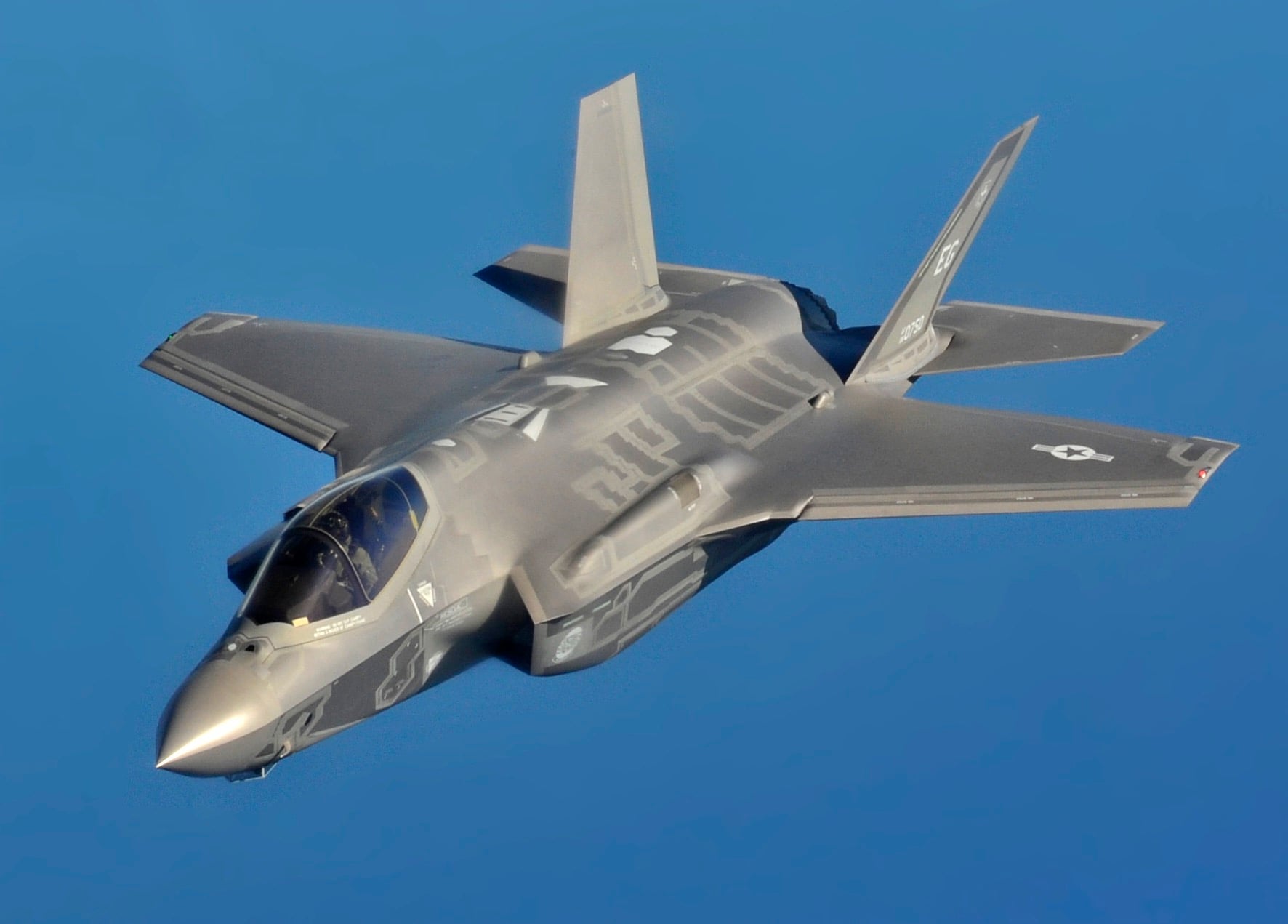
A United States fighter jet has been shot down over Iranian airspace, with American officials confirming that search operations are underway for the crew. The incident marks a dramatic escalation in the Middle East conflict as President Donald Trump simultaneously threatens expanded attacks on civilian infrastructure, including bridges and power plants across Iran.
US officials, speaking on condition of anonymity, provided few details about the downed aircraft or the fate of its crew members. The Iranian military claimed yesterday to have shot down a US F-35 fighter jet over central Iran, though it remains unconfirmed whether this represents the same incident. The downing of an American warplane over Iranian territory represents the most serious direct confrontation between the two nations since the conflict began and raises immediate questions about potential retaliation.
“Bridges Next, Then Electric Power Plants”
President Trump escalated his rhetoric this morning following a US strike that destroyed the B1 bridge between Tehran and Karaj on Thursday. Posting footage showing dust and smoke billowing from the newly constructed highway bridge, which had been scheduled to open to traffic this year, Mr Trump wrote: “Our Military, the greatest and most powerful (by far!) anywhere in the World, hasn’t even started destroying what’s left in Iran. Bridges next, then Electric Power Plants!.”
The explicit threat to target civilian infrastructure marks a significant shift in the scope of American military operations. Bridges and power plants serve civilian populations and their destruction would constitute attacks on dual-use infrastructure with potentially severe humanitarian consequences.
Why This Matters
The shooting down of a US fighter jet fundamentally alters the calculus of the conflict. American casualties, particularly captured aircrew, have historically served as inflection points in Middle Eastern conflicts, generating domestic political pressure and often triggering escalatory responses. The incident also demonstrates Iran’s capacity to challenge US air superiority, a development that could embolden Tehran and complicate American military planning.
President Trump’s threats against civilian infrastructure represent a departure from conventional targeting doctrine, which typically prioritises military assets, command structures, and weapons facilities. Attacks on bridges and power plants would affect millions of Iranian civilians, potentially violating international humanitarian law prohibitions on targeting infrastructure essential to civilian survival. Such actions would also likely harden Iranian resolve and make diplomatic resolution more difficult.
Iran’s Revolutionary Guard Corps responded to the bridge strike with sweeping threats of its own, vowing to hit “all assets of the Israeli regime and the US in fuel, energy, economic centres, and power plants across the region”. The Guard also called on countries hosting American military bases to expel them, a demand that could test alliances across the Gulf if Tehran follows through with attacks on host nations.
What Happened
Details surrounding the downed aircraft remain sparse. US officials confirmed to reporters that a fighter jet had been lost over Iran and that search operations for the crew were underway, but declined to provide additional information about the circumstances, location, or status of the personnel. The Iranian military separately claimed to have shot down an F-35 over central Iran, though American authorities have not confirmed the aircraft type or whether the Iranian announcement refers to the same incident.
On Thursday, the United States struck the B1 bridge, a major highway connection between Tehran and the nearby city of Karaj. President Trump shared footage of the attack on social media, showing the moment of impact as smoke and debris erupted from the structure. The bridge had been recently completed and was awaiting its official opening.
Mr Trump’s accompanying message made clear his intention to expand targeting beyond military installations. His reference to bridges and electric power plants as next on the target list suggests a deliberate strategy of degrading Iran’s civilian infrastructure to increase economic and psychological pressure on the population and government.
The Escalation Spiral
The conflict has entered a dangerous phase characterised by direct military exchanges rather than proxy confrontations. The February 28 joint US-Israel operation that triggered the crisis has evolved into sustained strikes against Iranian territory, provoking retaliation including the Strait of Hormuz blockade and now the downing of an American warplane.
Iran’s response has been both defensive and offensive. The Revolutionary Guard’s statement threatening regional energy infrastructure and calling for the expulsion of US bases indicates Tehran believes it can deter further attacks by holding American and allied interests at risk across the Middle East. This strategy carries its own escalatory dangers, potentially drawing additional countries into the conflict and providing justification for expanded military operations.
The targeting of civilian infrastructure by both sides raises concerns about the humanitarian impact and legal ramifications. International humanitarian law, codified in the Geneva Conventions and additional protocols, prohibits attacks on civilian objects unless they make an effective contribution to military action. Bridges and power plants occupy a grey area as dual-use infrastructure, but their destruction primarily affects civilian populations rather than military capability.
What Happens Next
The immediate priority for US forces will be determining the fate of the downed aircraft’s crew. If Iranian forces have captured American personnel, their treatment and potential release will become a central diplomatic and political issue. Historical precedents, including the 1991 Gulf War and various incidents in Iraq and Afghanistan, demonstrate how captured aircrew can dominate public discourse and influence military decision-making.
President Trump’s threat to target additional bridges and power plants suggests further strikes are imminent. The question is whether such attacks will achieve their presumed objective of forcing Iranian capitulation or instead deepen the conflict by demonstrating American willingness to inflict civilian hardship. Iran’s Revolutionary Guard has already signalled its intention to retaliate against regional energy infrastructure, setting up a cycle of attack and counter-attack.
European and regional powers face difficult choices. The UK has thus far maintained distance from American military operations whilst leading diplomatic efforts to address the Strait of Hormuz crisis. The downing of a US aircraft and threats to civilian infrastructure may increase pressure on Britain and other allies to either join American operations or more forcefully advocate for de-escalation.
What This Means for the UK
Britain’s carefully calibrated position of supporting diplomatic solutions whilst rejecting military involvement faces new challenges. The shooting down of a US fighter jet will intensify American calls for allied solidarity, potentially putting renewed pressure on the Starmer Government to reconsider its stance. Domestic public opinion, however, appears firmly opposed to British military involvement, particularly given Chancellor Rachel Reeves’ public criticism of the lack of a clear exit strategy.
The targeting of civilian infrastructure also complicates the UK’s diplomatic efforts. Foreign Secretary Yvette Cooper has framed Iran as the aggressor in the Strait of Hormuz crisis and called for coordinated international sanctions. However, if American strikes expand to include bridges and power plants serving civilian populations, maintaining that narrative becomes more difficult. Britain would face uncomfortable questions about whether it implicitly condones attacks on infrastructure that violates humanitarian norms.
Energy security remains a paramount concern. The Strait of Hormuz blockade has already driven UK fuel prices to 185.23p for diesel and 154.45p for petrol. Iran’s threats to target regional energy infrastructure could trigger additional supply disruptions and price spikes, compounding the cost-of-living pressures that Ms Cooper explicitly cited as Britain’s primary interest in resolving the crisis.
Key Facts and Background
What type of aircraft was shot down?
US officials have not confirmed the aircraft type. Iran claims to have downed an F-35 fighter jet, but American authorities have not verified this or clarified whether Iran’s announcement refers to the same incident.
What is known about the crew?
US officials confirmed that search operations are underway for the crew but provided no details about their number, condition, or whether they ejected safely from the aircraft.
Are attacks on bridges and power plants legal under international law?
International humanitarian law prohibits targeting civilian objects unless they make an effective contribution to military action. Bridges and power plants are dual-use infrastructure that can be legally targeted if they primarily serve military purposes, but their destruction must be proportionate and minimise civilian harm.
What is the B1 bridge and why was it targeted?
The B1 bridge is a major highway connection between Tehran and Karaj that was recently completed and scheduled to open to traffic this year. The bridge likely serves both civilian and potential military logistics purposes.
What has Iran threatened in response?
Iran’s Revolutionary Guard Corps vowed to strike “all assets of the Israeli regime and the US in fuel, energy, economic centres, and power plants across the region” and called on countries hosting US bases to expel them.
Could captured American aircrew affect the conflict?
Historically, captured military personnel have significant political impact, generating domestic pressure for their return and potentially influencing military strategy. If Iran holds American aircrew, their status will likely become a central issue in any diplomatic discussions.
