


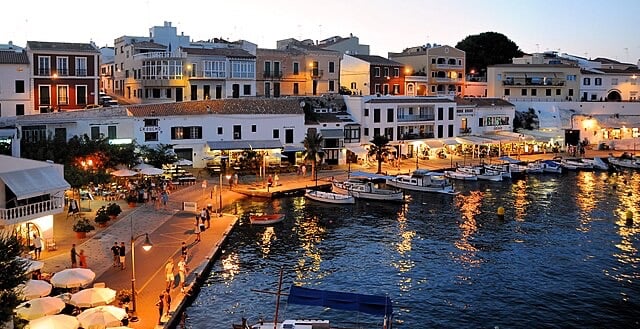
The Mediterranean dominates global maritime dining with Greece, Croatia and Italy accounting for more than 70 percent of restaurants worldwide that meet strict “dock and dine” criteria, according to a BoatBooker study analyzing over 1,000 destinations across 45 countries.
Small family-run businesses with 100-300 reviews comprise more than 40 percent of qualifying establishments, challenging the assumption that isolated luxury resorts provide superior sea-accessible dining experiences. The data reveals travelers increasingly seek authentic, exploratory gastronomic experiences involving private boats or water taxis rather than high-traffic destinations.
Greece emerged as the undisputed leader with 349 unique restaurants meeting the criteria, representing 34 percent of the global total and effectively acting as a benchmark for infrastructure emphasizing maritime accessibility. The Saronic, Ionian and Dodecanese islands contributed the highest density of top scores, with Hydra, Paxos and Symi standing out as the country’s most consistent maritime gastronomic hubs.
The study examined restaurants on islands without public airports accessible exclusively by sea, boat or ferry, requiring a minimum 4.5-star rating with substantial review volumes. A distinct group of 24 percent of restaurants exceeded this baseline with near-perfect ratings of 4.8 stars or higher.
Joris Zantvoort, head of SEO at BoatBooker, stated: “The aim of the study was to guide travellers towards highly rated restaurants on islands where the meal is enjoyed in a more relaxed environment – and where arriving by boat is an integral part of the overall experience.”
He added: “By analysing the reviews, we wanted to highlight destinations that reward preparation and opt for a slower pace of travel, enhancing the connection to place and offering a more meaningful culinary experience. It’s particularly encouraging that such experiences exist in every corner of the world, regardless of the time or destination of travel.”
The operational requirements of dedicated marine access sites including refueling, waste management and seasonal energy sufficiency appear to correlate with increased commitment to quality and service. This suggests infrastructure challenges may drive higher standards rather than compromising them.
High-traffic destinations like Mambo Beach Restaurant in Indonesia and Navio in the Maldives have perfected “large-scale privacy,” serving thousands of guests whilst maintaining excellent ratings. However, Indonesia’s Mambo Beach Restaurant currently holds the highest weighted rating in the study, making the Nusa Islands an emerging international competitor to traditional European seafood destinations.
Indonesia’s performance challenges Mediterranean dominance by offering world-class quality on a scale previously dominated by European establishments. Although Greece outnumbers Indonesia in total options, the Southeast Asian nation demonstrates that exceptional sea-accessible dining exists beyond the Mediterranean basin.
The data contradicts assumptions that world’s top culinary destinations accessed exclusively by sea would be found in classic metropolises or isolated luxury resorts. Instead, highest accolades concentrate on small islands and less prominent regions that consistently outperform established “giants.”
The study’s creator explained the motivation: “For many travellers, dining is a central element of any travel experience. However, finding the right restaurant can prove to be chaotic, especially in busy destinations.”
The research reveals clear differentiation in traveler preferences between high-volume establishments and hidden gems. The 40 percent share held by small, often family-run businesses reflects growing demand for authentic experiences over standardized luxury resort dining.
The “dock and dine” concept transforms the journey to dinner from a mere inconvenience into the highlight of the evening. By restricting analysis to sea-accessible locations, the study identifies destinations where maritime travel enhances rather than complicates the dining experience.
Greece’s 349 qualifying restaurants spread across its island chains demonstrate how infrastructure supporting boat-based tourism creates sustainable gastronomic ecosystems. The concentration in Saronic, Ionian and Dodecanese islands suggests these regions have successfully integrated maritime accessibility with culinary excellence.
The Mediterranean’s 70 percent global share establishes the region as the benchmark for “dock and dine” culture. However, Indonesia’s emergence signals potential for other coastal regions to develop competitive sea-accessible dining scenes that challenge European dominance.
