


Iceland’s legal provisions allowing medical professionals to override parental consent through child protection referrals face scrutiny following a high-profile custody case involving a 10-year-old boy with autism.
The country’s Patients’ Rights Act No. 74/1997 establishes that doctors can escalate disputes to child welfare authorities when parents refuse what healthcare providers classify as necessary medical interventions, creating a pathway for treatment decisions to move beyond parental authority.
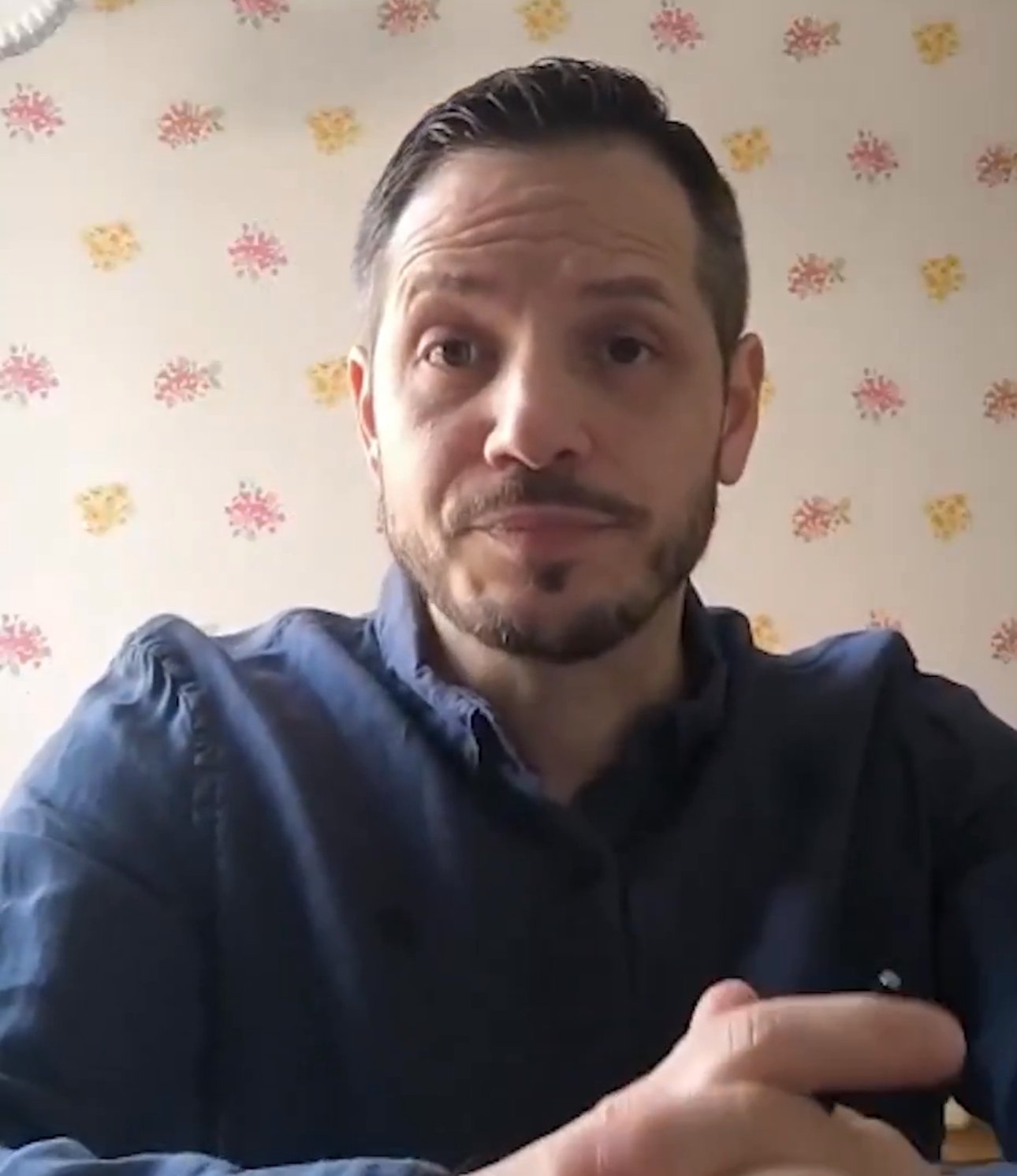
This legal mechanism has become central to a custody battle involving Reykjavik father Alexander Rocha, who claims authorities removed his autistic son from his care in December after he declined to consent to gender transition procedures, according to Britannia Daily.
The Gender Autonomy Act No. 80/2019 organizes gender-related healthcare for minors through specialist multidisciplinary teams and formal appeal processes, though it contains no specific provisions either authorizing or prohibiting puberty blockers for children. Such treatments instead fall under general medical consent legislation and child welfare supervision.
Children under 16 require parental consent for medical procedures under current law, whilst those aged 12 and above must participate in decisions affecting their healthcare. When parents and medical professionals disagree about treatment necessity, the system permits doctors to seek intervention from child protection services.
Rocha’s viral social media statement highlighted his objections to potential medical interventions for his son. He stated concerns about puberty blockers and hormone therapy, describing these as procedures that “will alter drastically his body, but also his mind.”
The father emphasized his son’s autism spectrum diagnosis as a factor in his opposition to gender-related treatments at age 10. He maintained that children should not face “life-altering procedures” and argued against what he termed “radical gender ideology” pressuring minors into decisions they cannot fully comprehend.
Rocha confirmed he has been unable to see his son for several months, describing his family as “absolutely devastated.” He stated the situation has prevented him from fulfilling his parental role.
Court proceedings and the specific medical recommendations that led to the custody removal have not been publicly disclosed. Neither have child protection authorities released details about their involvement or assessment of the case.
The father is pursuing an appeal of the December court ruling. The appeal timeline remains unspecified, as does any potential for visitation rights during the legal process.
The case’s resolution could establish precedent for how Iceland handles future conflicts between parental authority and medical professional judgment regarding gender-related treatments for minors, particularly those with additional diagnoses such as autism.
Legal experts note the case tests the balance between multiple competing interests: parental rights to make medical decisions for their children, medical professionals’ assessments of necessary treatment, and child welfare authorities’ mandate to protect minors.
The autism spectrum diagnosis adds complexity to the dispute, raising questions about informed consent and decision-making capacity for minors with developmental conditions when considering irreversible medical interventions.
Whether the appeal court will prioritize parental authority, medical professional judgment, or child welfare considerations remains to be determined through the pending legal proceedings.
Similar disputes in other jurisdictions have produced varying outcomes depending on national legal frameworks governing parental consent, medical authority, and child protection mandates.
