


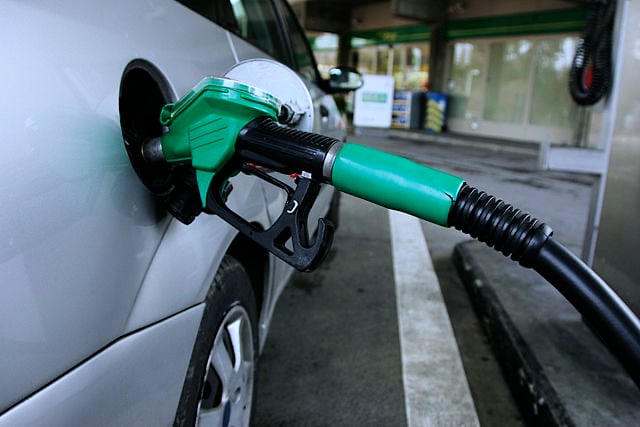
The Czech government has introduced comprehensive fuel price controls and tax reductions in response to surging costs at the pump, marking one of the most direct interventions in retail energy markets by a European Union member state since the ongoing international energy crisis began. From April 8, the Ministry of Finance will set daily maximum prices for petrol and diesel across the country, whilst simultaneously capping retailer profit margins and cutting excise duty on diesel.
Prime Minister Andrej Babiš announced the measures after concluding that voluntary efforts to reduce prices had proven insufficient, with monitoring revealing that fuel retailers were charging what he characterised as excessive margins despite government pressure. The intervention represents a significant departure from market-based pricing mechanisms and positions the Czech Republic at the forefront of European nations willing to impose direct state control over fuel costs.
“We Decided to Intervene”
Speaking as the measures were unveiled, Mr Babiš explained the government’s rationale for abandoning its initial preference for voluntary compliance. “We monitored the margins and at the beginning of the conflict they were within the norm, but gradually they became excessive,” he said, referring to the period since international energy prices began their sharp ascent. “We decided to intervene.”
The Prime Minister noted that negotiations with fuel distributors had achieved only partial reductions, insufficient to provide meaningful relief to consumers facing rapidly escalating costs. The decision to impose mandatory controls signals frustration within the Czech administration at what it perceives as market failure during an acute cost-of-living crisis.
Why This Matters
The Czech intervention tests the boundaries of how EU member states can respond to energy price shocks whilst maintaining single market principles. Price controls of this nature raise fundamental questions about market mechanisms, competition policy, and the balance between consumer protection and commercial freedom during extraordinary economic circumstances.
For consumers across Europe watching fuel costs climb to unprecedented levels, the Czech model offers a potential template for direct government action. If the measures successfully reduce prices without triggering supply disruptions or retailer withdrawals from the market, other governments may face increased pressure to follow suit. Conversely, if the controls create shortages or market distortions, they will serve as a cautionary example of the risks inherent in abandoning price discovery mechanisms.
The approach also highlights divergent national responses to shared European challenges. Whilst some governments have opted for targeted tax cuts or consumer subsidies that work within market structures, the Czech Republic has chosen comprehensive price setting that fundamentally alters how fuel markets operate.
What Happened
Under the new system, the Ministry of Finance will calculate and publish a maximum fuel price each weekday at 2 p.m., applying to all petrol stations nationwide from the following day. Finance Minister Alena Schillerová explained that the price will be “calculated as the average of wholesale indices from Čepro, Orlen, and MOL, plus a margin of 2.50 crowns and VAT.”
Officials estimated that if the cap had been in force on Thursday, diesel would have been limited to 46.43 Czech crowns per litre, equivalent to approximately €1.89. This maximum price structure creates a ceiling that retailers cannot exceed regardless of their own cost pressures or competitive positioning.
The government will additionally impose a 2.50 crown (€0.10) per litre cap on retailer margins for both petrol and diesel. Ms Schillerová indicated this figure derives from historical data adjusted for inflation, designed to eliminate what she described as disproportionately high pricing by retailers whilst allowing sustainable commercial operations.
Alongside the price controls, ministers approved a targeted reduction in diesel excise duty. The tax will fall by 1.939 crowns per litre, equivalent to 2.35 crowns (€0.10) including VAT. The Ministry of Finance estimates this measure will cost the state budget approximately 1 billion crowns (€40.8 million), a figure officials say remains within parameters permitted under EU fiscal rules.
Market Intervention in the European Context
The Czech measures represent a particularly assertive form of state intervention in fuel markets, going beyond the tax adjustments and temporary subsidies adopted by several other European governments. By directly setting maximum prices and capping margins, Prague has effectively nationalised the pricing function whilst leaving distribution and retail operations in private hands.
This hybrid approach seeks to preserve market structures for supply and competition whilst removing pricing discretion during what authorities view as an emergency situation. The success of this model depends on whether the mandated margins prove sufficient to maintain retailer participation and investment in the sector.
EU single market rules generally discourage price controls as distortions of competition, though member states retain significant autonomy in taxation and emergency economic measures. The Czech government’s assertion that its diesel tax cut complies with EU regulations suggests officials have secured or anticipate approval from Brussels for at least that component of the package.
The intervention also reflects political calculations. Fuel prices represent one of the most visible and politically sensitive elements of the cost-of-living crisis, with frequent media coverage and direct impact on household budgets. Governments across Europe face pressure to demonstrate responsiveness, with the Czech approach representing an emphatic signal that authorities will act decisively to protect consumers.
What Happens Next
Implementation begins on April 8, when the first maximum prices will take effect across Czech fuel stations. The crucial test will be whether retailers continue operating under the controlled pricing regime or whether some choose to exit the market or reduce services in response to compressed margins.
The Ministry of Finance will need to establish operational systems for calculating and publishing daily maximum prices based on wholesale indices from the specified suppliers. This administrative infrastructure must function reliably to provide market certainty and prevent confusion or disputes at retail level.
Monitoring compliance will represent an additional challenge. Authorities must verify that retailers adhere to the maximum prices and do not attempt to circumvent controls through service fees, reduced quality, or selective availability. Enforcement mechanisms and potential penalties for violations will determine whether the controls prove effective or develop loopholes.
The diesel tax cut’s budgetary impact of 1 billion crowns will flow through reduced government revenues, potentially constraining other spending priorities or requiring offsetting measures elsewhere in the fiscal framework. If energy prices remain elevated for an extended period, pressure may build to extend or expand the tax reduction beyond its initial scope.
What This Means for the UK
Britain faces similar pressures from elevated fuel costs, with diesel and petrol prices reaching record levels and generating political demands for government intervention. The Czech model provides a case study in direct price controls that UK policymakers can observe as they calibrate their own response.
The British government has thus far opted for tax cuts rather than price controls, reducing fuel duty and implementing targeted support measures. Chancellor Rachel Reeves’ emphasis on fiscal responsibility and market-based solutions suggests reluctance to adopt Czech-style interventions, though political pressure could intensify if prices continue rising.
The UK’s post-Brexit regulatory autonomy theoretically provides greater freedom to implement unconventional measures without EU oversight, though the government has shown limited appetite for extensive market interventions. Treasury officials traditionally favour tax adjustments and competition policy over direct price setting, viewing the latter as economically distortive and administratively complex.
British consumers currently pay 154.45p per litre for petrol and 185.23p for diesel according to RAC figures, substantially above Czech levels even after accounting for exchange rates and purchasing power differences. These elevated prices reflect both underlying energy costs and the UK’s historically high fuel taxation, limiting the scope for tax-based relief without significant revenue implications.
The Czech experience will test whether price controls can function effectively in sophisticated fuel markets without triggering supply problems or creating perverse incentives. If the measures succeed, pressure may mount on the UK government to consider similar interventions, particularly in regions or demographic groups experiencing acute cost pressures.
Key Facts and Background
When do the Czech fuel price controls take effect?
The measures formally commence on April 8, with the Ministry of Finance publishing the first maximum daily prices at 2 p.m. on the preceding weekday for implementation the following day.
How will maximum prices be calculated?
The ministry will average wholesale indices from three major suppliers (Čepro, Orlen, and MOL), add a permitted margin of 2.50 crowns per litre, and apply VAT to determine the daily maximum price applicable to all retailers nationwide.
What is the retailer margin cap?
Retailers will be limited to a maximum profit of 2.50 Czech crowns (€0.10) per litre on both petrol and diesel, based on historical margins adjusted for inflation.
How much will the diesel tax cut cost?
The excise duty reduction of 1.939 crowns per litre is estimated to cost the state budget approximately 1 billion crowns (€40.8 million), which officials say complies with EU fiscal rules.
What was the example maximum price given for diesel?
Officials estimated that if the cap had been in force on Thursday, diesel would have been limited to 46.43 Czech crowns per litre, equivalent to approximately €1.89.
Are price controls common in EU fuel markets?
Direct price controls are relatively uncommon in EU member states, which generally rely on market mechanisms. Several countries have implemented temporary tax cuts or subsidies, but comprehensive pricing controls represent a more interventionist approach that tests single market principles.
